

 Ragon Institute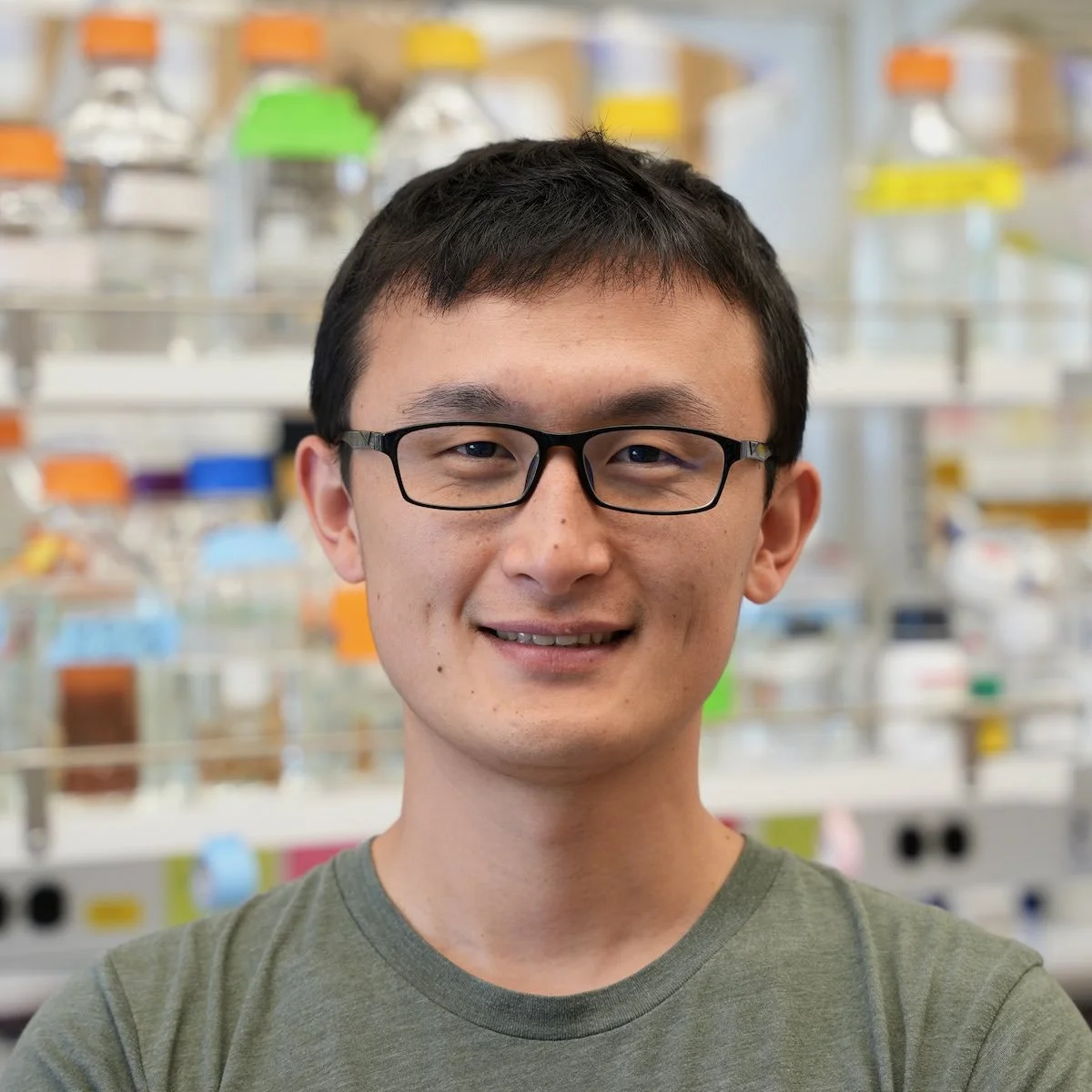
The Ragon Institute is pleased to welcome its newest faculty member, Bingxu Liu, PhD. Liu will be a Core Member at the Ragon and will have a joint appointment as an Assistant Professor in the Harvard Medical School (HMS) Department of Immunology.
Liu earned his bachelor’s degree in applied and biomedical sciences from Zhejiang University and his PhD in biology from MIT. For his doctoral work, Liu studied how to precisely control STING (Stimulator of Interferon Genes)—a key sensor in the body’s first line of immune defense. STING detects DNA that shows up where it should not (a warning sign of infection or cellular damage) and influences many different processes in the body, which makes controlling it both important and tricky.
His postdoc focuses on expanding immune system capabilities through computational protein design, particularly on enhancing the recognition of subtle cell differences via peptide-MHC (pMHC) antigens. Every cell displays small fragments of its internal proteins on its surface, held up by molecules known as MHC-I molecules. This acts like a window into what is happening inside and allows the immune system to recognize a cancerous cell even when it looks normal on the outside. By combining immunology with protein engineering, his work is revealing new details about how the immune system detects important molecules.
Inspired by immune-sensing channels in plant immunity, and through using structural analysis and chemical biology tools, he discovered that human STING functions as a proton channel, a passageway that lets charged particles cross the cell membrane. This discovery provides a foundation for designing STING partial agonists and antagonists to either increase or decreasive how active it is, which is crucial for optimizing therapeutic efficacy. Furthermore, identifying STING as the first human innate immune-sensing ion channel opens new avenues for investigating its specialized functions.
As the head of the (second) Liu Lab at Ragon, Liu endeavors to to understand natural responses and engineer them to expand their capabilities for modern challenges. Specifically, Liu is trying to establish computational and experimental tools to explore the capabilities of the human immune system, learn their principles, and expand immune system functions beyond their natural limitations.
Liu will officially join our ranks in April of 2027.